
|
Private in-home consultations are available by appointment only. Limited delivery is now available. Call for details. |
If you’ve spent any time looking at hemp-derived wellness products lately, you’ve probably noticed there is a lot to take in. You’ll see terms like full spectrum, broad spectrum, cannabinoids, terpenes, hemp extract, and CBD isolate. For someone who simply wants to understand what they’re buying, all that terminology can make a relatively simple decision feel unnecessarily complicated.
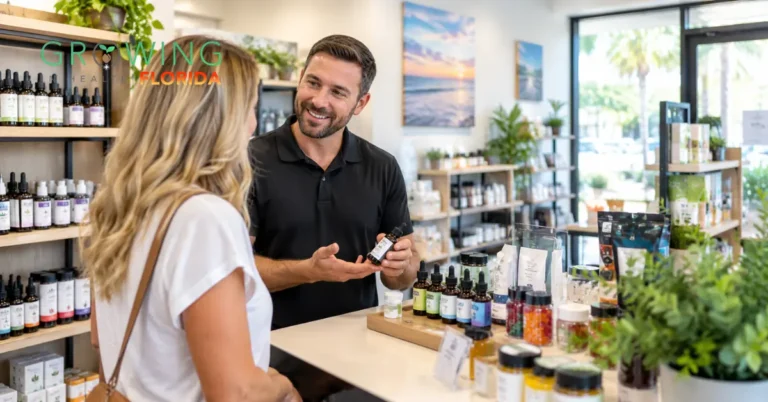
At Growing in Health Florida, I believe good CBD Education Content should make things easier, not more confusing. My name is Hans, and one of the things I enjoy most about working with our customers is taking the time to explain what different hemp-derived products actually contain. You don’t need to become an expert in hemp to make an informed purchase. You just need a basic understanding of the terminology, the differences between products, and what to look for on a label.
Starting With the Basics: What Is CBD?
Let’s begin with one of the questions I hear most often: what is CBD? CBD stands for cannabidiol. It is one of the naturally occurring compounds known as cannabinoids that are found in cannabis plants, including hemp. CBD itself does not produce the intoxicating “high” generally associated with THC.
Understanding what is CBD is a useful starting point, but it’s only part of the picture. Hemp contains numerous naturally occurring compounds, which is why two products that both say “CBD” on the front of the package can actually be quite different. This is where quality CBD Education Content becomes especially helpful. Once you know how to recognize those differences, product labels start making much more sense.
Hemp-Derived Doesn’t Describe Just One Product
Another common source of confusion is the term “hemp-derived.” It describes where a product or ingredient comes from, but it doesn’t tell you everything about what is actually inside the bottle.
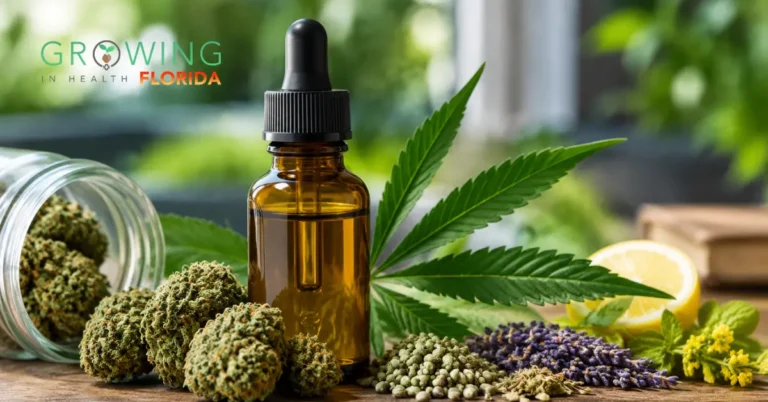
Depending on how a product is manufactured, a hemp extract may contain CBD along with other cannabinoids, terpenes, flavonoids, and additional naturally occurring plant compounds. Other products are processed further to remove certain components. Some contain primarily isolated CBD.
When I provide CBD education Naples Florida customers can use in everyday shopping, I encourage people to look beyond the largest words on the front of the package. The details matter.
Understanding Full-Spectrum CBD
One term you’re likely to encounter is full-spectrum CBD. A full-spectrum hemp extract is designed to retain a range of compounds naturally found in the plant.
That can include:
The presence of multiple hemp compounds is the primary distinction to remember when learning about full-spectrum CBD. You may also hear discussions about the “entourage effect,” a theory that compounds within cannabis may interact when consumed together. Research continues into these interactions and their significance.
Good CBD Education Content should also make one point particularly clear: full spectrum does not mean THC-free. That can be an important consideration for some consumers, including those subject to drug testing.
What Is Broad-Spectrum CBD?
Next, we have broad-spectrum CBD. These products also contain CBD and can retain several other compounds found naturally in hemp, but they are processed to remove THC.
This can make broad-spectrum CBD appealing to people who want exposure to a variety of hemp compounds but prefer to avoid THC. However, you should still read individual product information and independent laboratory reports rather than assuming every product labeled “broad spectrum” is identical.
That’s a point I emphasize regularly at Growing in Health Florida. Categories are useful, but they don’t replace looking at the actual product.
What About CBD Isolate?
The third category you’ll often encounter is CBD isolate. As its name suggests, isolate is highly purified CBD that has been separated from the other components of the hemp plant.
If you’re comparing the three general categories, an easy way to remember them is:
This is exactly why I’m passionate about providing practical CBD Education Content. None of these categories is automatically the best option for every person. Understanding what they mean allows you to make a decision based on your own preferences.
Learning to Read the Label
Once you understand the basic categories, your next step is learning how to evaluate an individual product.
The front label is a starting point, but I encourage you to turn the package around and look at the details. Check the ingredient list and serving information. Find out how much CBD is in the entire package and how much is contained in an individual serving.
Useful CBD Education Content should teach you what questions to ask, including:
Once you get into the habit of checking these details, comparing products becomes much easier.
Why Laboratory Testing Is Important
Third-party laboratory testing is one of the subjects I frequently discuss when providing CBD education Naples Florida customers can rely on.
A Certificate of Analysis, often shortened to COA, provides laboratory information about a particular product or batch. Depending on the testing performed, it can show cannabinoid concentrations and screening results for certain contaminants.
A COA also gives you an opportunity to compare what the laboratory found with what the manufacturer states on the label.
At Growing in Health Florida, we believe transparency matters. If you’re going to incorporate a hemp-derived product into your wellness routine, you should be able to understand what you’re purchasing.
Don’t Assume Higher Numbers Are Always Better
Another misconception I occasionally encounter is that more CBD automatically means a better product.
It doesn’t work quite that simply.
Different products have different concentrations and serving sizes, and people have different reasons for choosing them. A larger number printed on a package may simply indicate that the bottle contains more total CBD.
This is another reason CBD Education Content is more useful than chasing numbers. Pay attention to the total amount, the amount per serving, the type of extract, the ingredients, and the overall quality of the product.
Different Ways Hemp-Derived Products Are Offered
Hemp-derived products now come in many different formats, and each can fit differently into a daily routine.
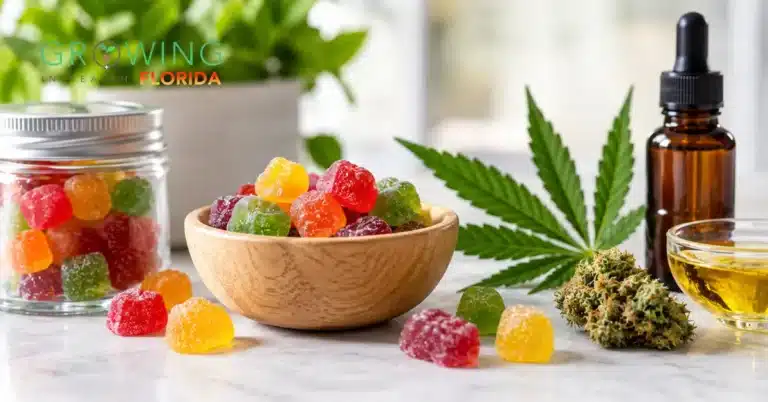
Depending on the products available to you, you might encounter:
Rather than choosing a format because it happens to be popular, think about what realistically fits your routine. Someone who prefers a simple, premeasured option may have different preferences from someone who likes using a tincture.
The best CBD Education Content gives you information without pretending there is one universal answer.
Hemp Education Is Also About Responsible Expectations
Education isn’t only about learning product terminology. It also means understanding the limitations of hemp-derived wellness products.
CBD products should not be viewed as replacements for appropriate medical care or prescribed treatment. Be cautious when you encounter products marketed with sweeping promises to diagnose, treat, cure, or prevent diseases.
If you take medications, have an existing medical condition, are pregnant or breastfeeding, or have questions about whether CBD is appropriate for you, talk with a qualified healthcare professional.
Responsible CBD Education Content should always leave room for those conversations.
Asking Questions Is Part of Being an Informed Consumer
You don’t need to walk into Growing in Health Florida already knowing the difference between every cannabinoid or extraction process. That’s what we’re here to help explain.
In fact, I encourage questions.
Ask us about full-spectrum CBD. Ask how broad-spectrum CBD differs. Ask to see laboratory information. Ask how to interpret a label if something doesn’t make sense.
Providing approachable CBD education Naples Florida residents can understand is an important part of what we do because an informed customer is in a much better position to decide what belongs in their wellness routine.
Making Hemp-Derived Products Easier to Understand
The hemp industry has grown tremendously, and consumers now have more choices than ever. More choices can be a good thing, but only when you have enough information to distinguish between them.
That’s why I believe CBD Education Content is such an important part of responsible hemp retail. Start by learning what is CBD, then familiarize yourself with the differences between full-spectrum CBD, broad-spectrum CBD, and isolate. From there, learn how to read labels, review laboratory reports, and evaluate ingredients rather than relying solely on marketing claims.
At Growing in Health Florida, that’s the kind of conversation we’re always happy to have with you. Hemp-derived products don’t need to feel mysterious or overwhelming. With reliable CBD Education Content and a willingness to ask a few questions, you can understand exactly what you’re considering and make thoughtful, informed decisions about the products you choose for your personal wellness routine.
Supporting your wellness journey, naturally,
Hans Doherty, Proprietor